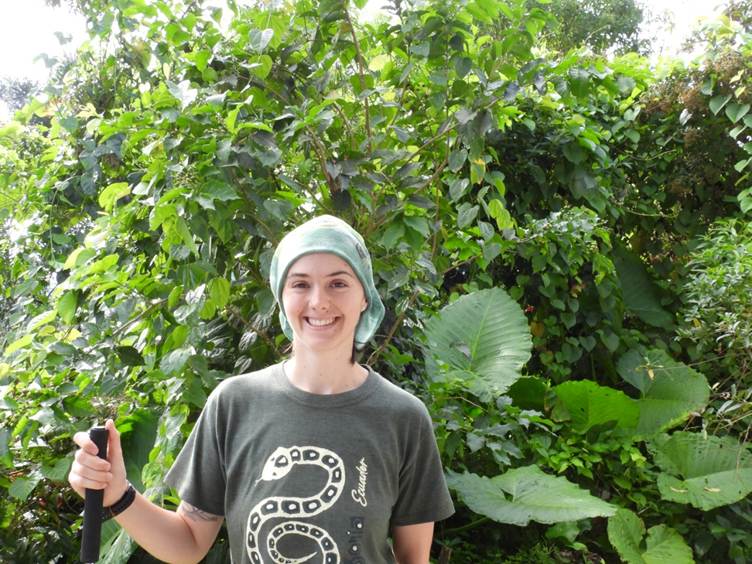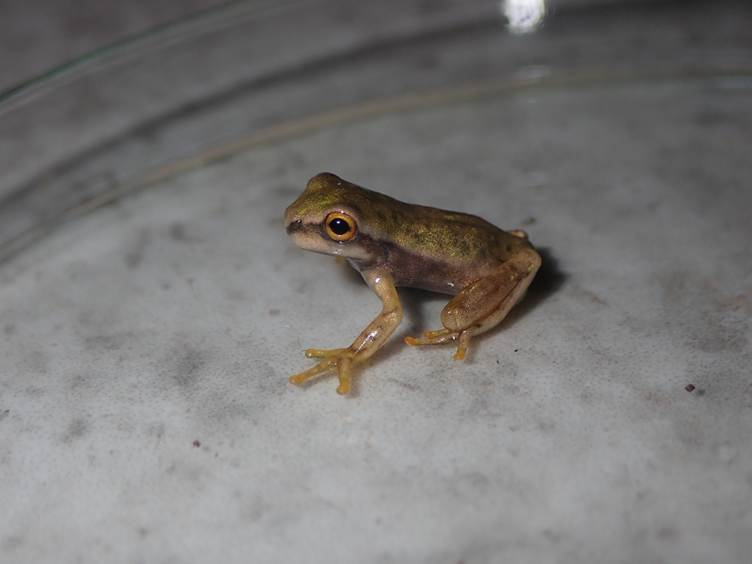

I am interested in the ecology and diversity of herpetofauna in the tropics, particularly in the Chocó rainforest. I aim to understand the effects of habitat change and regeneration on tropical herpetofaunal communities and how species adapt to these changes during their life stages. In my early career years I had the opportunity to work in the conservation initiative “Balsa de los Sapos” at the Pontificia Universidad Católica del Ecuador, where I was introduced to the diversity and conservation of the frogs of Ecuador, and afterwards during my master’s, I was introduced to the Reassembly project (phase one), working as a master’s student analyzing stream-dwelling herpetofauna communities along the regeneration sequence in Canandé (Esmeraldas, Ecuador).
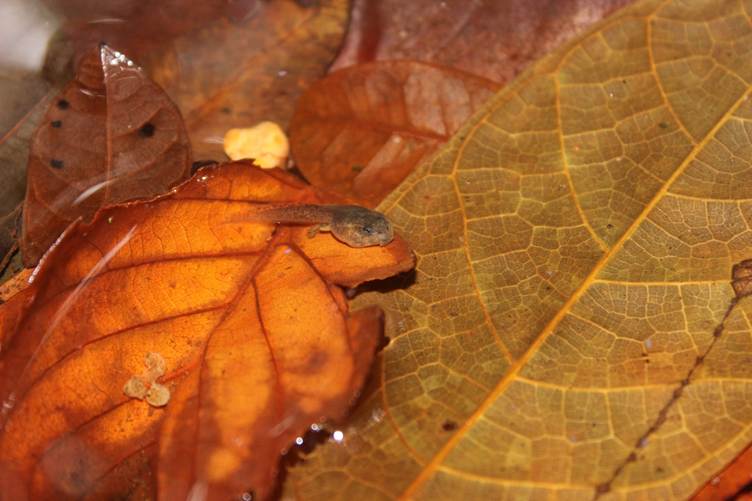
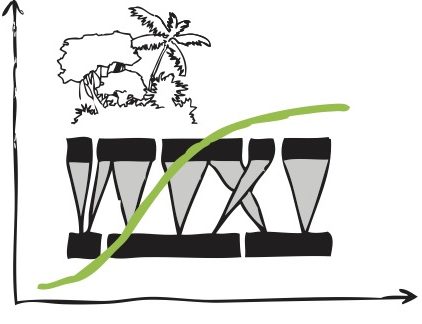
In the SP9 subproject of Reassembly, we aim to understand amphibian recovery during early forest regeneration in tropical ecosystems, focusing on how abiotic and biotic factors act as environmental filters influencing establishment and recovery of species. During the project, I will study frog establishment along the chronosequence using 35 plots (T-Rex and P-Rex). By deploying artificial breeding sites and measuring microclimate and habitat features, we will model the detectability and accessibility of these sites across time and space to identify the factors driving successful species establishment. Additionally, we will analyze the influence of leaf traits on tadpole development through experiments with target plant species (from the T-Rex project) and frogs to understand how tree composition affects tadpole survival and development. Finally, we will conduct physiological experiments (metabolism, performance, thermal preference) at different temperatures on adults and tadpoles (from forest-dependent to open-habitat species) to understand the temperature tolerance and limits of frogs occurring in the landscape. This will allow us to develop a physiological trait-based model to predict species presence or absence in the landscape and to forecast responses to future climate scenarios.